
 Home
Home About
About Technical team
 Business
 Innovation
 Sponge society
 Cooperation
 News
News Contact
© Zhonguancun Sponge Ctry Engineering Research Institute
On the difficulties of sponge city construction in Northwest China from the perspective of Xining sponge city construction
Publish date:2019/11/29 Click count:446 次
In April 2016, Xining city achieved good results in the competitive evaluation of sponge city pilot, and was selected as the second batch of sponge city construction pilot. The pilot area is located in the west of Xining central city. It starts from Xinning road in the East, ends at Huangshui road in the west, borders Qinghai Tibet Railway in the north, and ends at Dananshan ridge line in the south, with a total area of 21.61km2. After three years of construction, the transformation projects in the demonstration area have been basically completed, and the technical indicators of the new construction projects have been issued according to the requirements of the systematic scheme management and control of sponge city construction in the city. According to the three-year construction experience, the sponge city construction in Xining area is mainly affected by the following four factors. Looking at the northwest from Xining, this is also the common problem of sponge city construction in Northwest China.
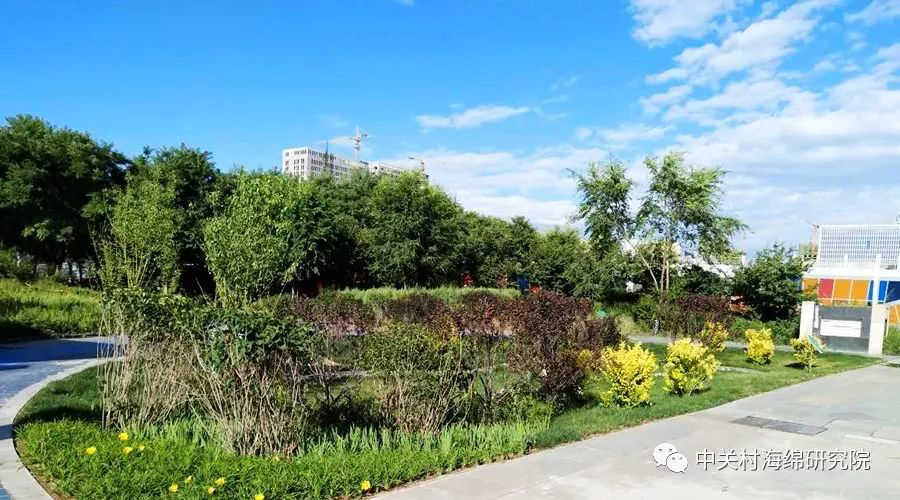
1. Selection of sponge facilities restricted by collapsible loess
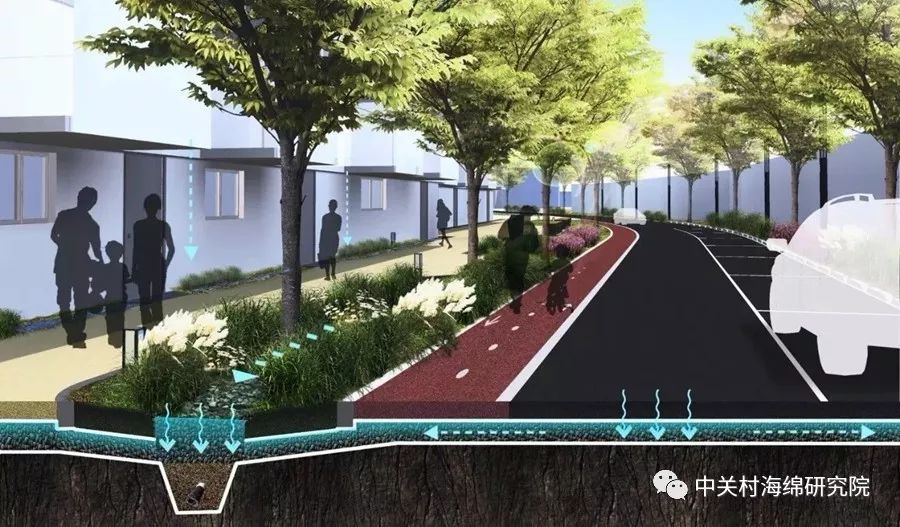
Collapsible loess refers to the soil with significant additional deformation due to the structural damage of the soil after immersion under the action of the self weight stress of the overlying soil layer or the combined action of the self weight stress and the additional stress, which belongs to special soil. Loess widely distributed in Northeast, northwest, central and East China has collapsibility. Collapsible loess can be divided into self weight collapsible loess and non self weight collapsible loess. Therefore, to construct on collapsible loess site, we should take comprehensive measures based on the importance of the building, the possibility of the foundation being wetted by water and the strictness of the limit on the uneven settlement during the use period, so as to prevent the foundation collapsing from damaging the building. When setting sponge facilities in collapsible loess area, it is necessary to avoid earth subsidence and collapse caused by rainwater infiltration.
2. Frost heaving of permeable pavement caused by high altitude and cold climate
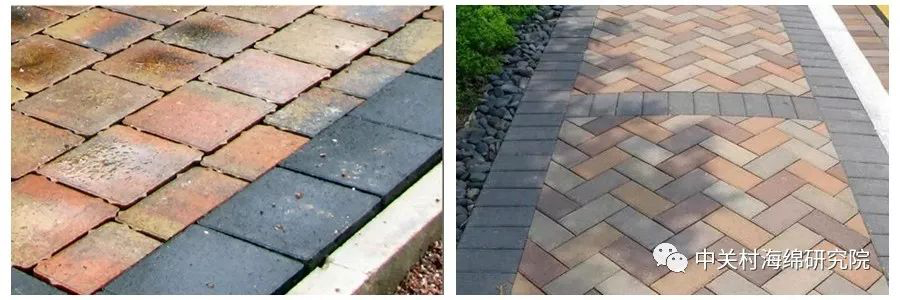
Permeable brick is a new type of environmental protection pavement material to solve the problem of urban surface hardening, create a high-quality natural living environment and maintain urban ecological balance. With the vigorous implementation of sponge city in China in recent years, the transformation area of the permeable surface is becoming larger and larger. The high-quality permeable brick products have the advantages of water permeability, moisture retention, antiskid, high strength, cold resistance, weathering resistance, noise reduction, sound absorption, etc.
The main factor affecting frost heave is soil quality, and the main reason for frost heave is uneven temperature difference. However, at present, the effect of frost heave on soil moisture content and soil particle size has also been paid attention to. Due to the high water content in the soil, the expansion coefficient of the original soil is also one of the reasons for frost heave of roads and squares. Therefore, in the construction and implementation of sponge City, the problem of base soil frost heave should be considered in the design scheme, and the permeable pavement material with good freeze-thaw resistance should be selected in the selection of permeable brick to ensure the safety and service life after the implementation of the project.
3. Reducing service life of permeable pavement in windy and sandy weather
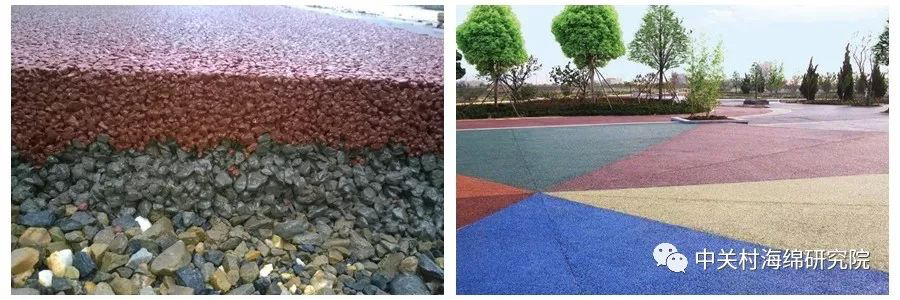
The northwest of China is located in the inland, where the water vapor is hard to reach, the precipitation is scarce, the climate is dry and the vegetation is poor; in winter, it is windy and sandy due to the northerly wind; in summer, it is relatively dry and windy due to the influence of the westerlies. When the wind speed near the ground is more than 4 meters per second, the sand particles of 0.1-0.25 mm can be transported to form the wind sand flow. Most of the sand particles in the wind sand flow are below 10 cm near the surface, and increase with the increase of wind speed. At present, the particle size of stone in permeable concrete surface layer is generally 5-8mm, and the pore is about 1mm. The sand particles in the aeolian sand will stay in the gap of concrete surface layer, which accelerates the attenuation speed of permeable concrete.
4. Increasing road runoff pollution by using snow melting agent in winter
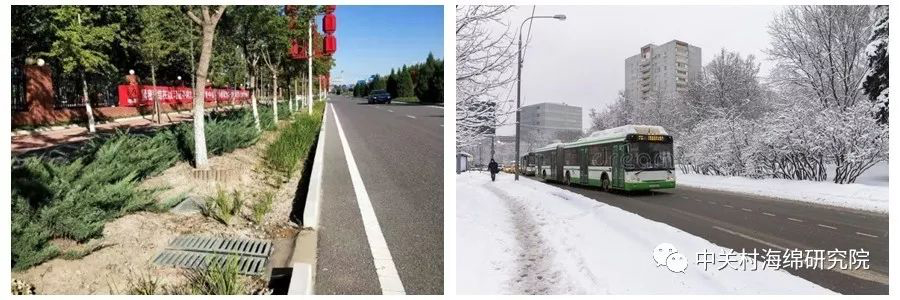
At present, the commonly used snow melting agent for municipal roads in North China in winter is inorganic snow melting agent with "chloride salt" as the main component, such as sodium chloride, calcium chloride, magnesium chloride, potassium chloride, etc., which is commonly known as "deicing salt". Its advantage is low price, but its corrosion to large public infrastructure is very serious. After using snow melting agent, the snow melting water directly flows into the green belt on both sides (sinking green land), and the accumulated snow often accumulates in the green belt on both sides of the road. After the beginning of spring, all the salt residues are accumulated in the green belt, causing a large number of deaths of green plants.
summary
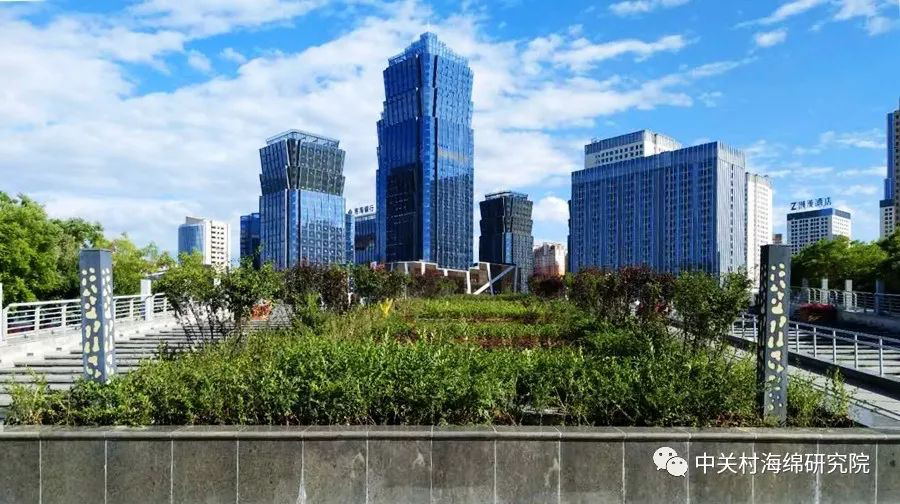
In the construction of sponge City, the technical route and the distribution proportion of each measure should be reasonably determined according to the comprehensive factors such as the actual topography, soil quality and groundwater level of the region, and the laws should be respected and measures should be taken according to the local conditions. Considering the natural geographical characteristics of urban precipitation and runoff, water resources, flood disaster, river and lake water system distribution, as well as the urban functional positioning, development and construction layout, water conservancy infrastructure and other factors, adhere to the problem orientation, reasonably determine the objectives, indicators and Countermeasures of water conservancy work in sponge city construction, and promote the coordination of urban development and water environment carrying capacity.
-

 010-68731953
 -



-


-

